
For this FPS Expert Spotlight, we ask Marius Buiciuc how he ensures a safe working environment across the organization.
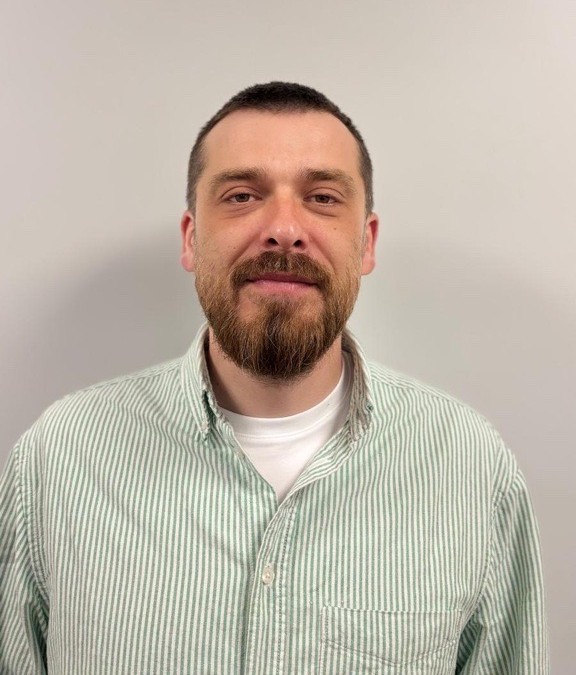
1. What first inspired you to build a career focused on safety and protecting people?
For me, safety became much more important when I realized that it is not really about procedures, rules or statistics. In the end, it is about people going home in the same condition in which they came to work.
Over the years, especially after being involved in incident investigations, I have seen how a small decision, an unsafe condition or a missing safeguard can have a serious impact on someone.
That is probably what motivates me most today: trying to identify the next risk before it becomes the next incident.
2. FPS aims to be the “Safest Choice” in flexible industrial packaging. From your perspective, what actions and behaviours help turn that ambition into reality every day?
For me, being the “Safest Choice” means making safety part of the way we work every day, not just something we talk about in procedures or meetings.
It starts with identifying hazards and acting on them before somebody gets hurt. It also means learning from incidents across the Group and not treating them only as a local issue.
If we identify a problem at one site, whether it is related to machine guarding, electrical safety, emergency preparedness or even a simple trip hazard, I think we should always ask ourselves whether the same situation could exist somewhere else in FPS.
This is why sharing lessons learned, doing safety audits, following up corrective actions and involving the local teams are so important.
For me, the basic behavior is simple: if something does not look safe, do not ignore it. Raise it and do something about it.
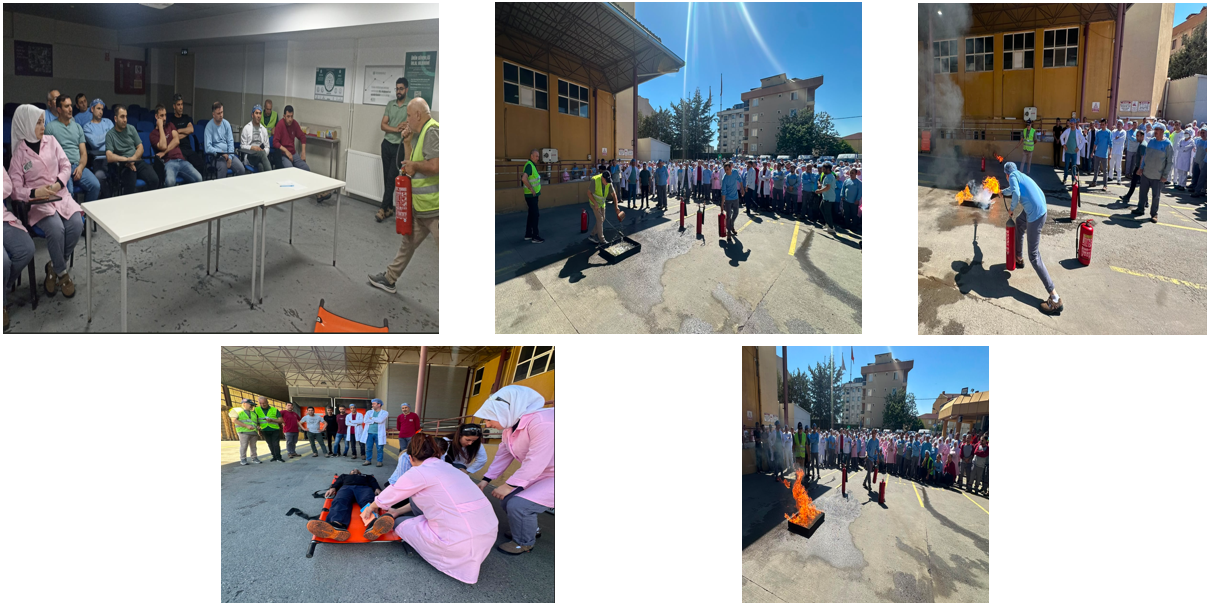
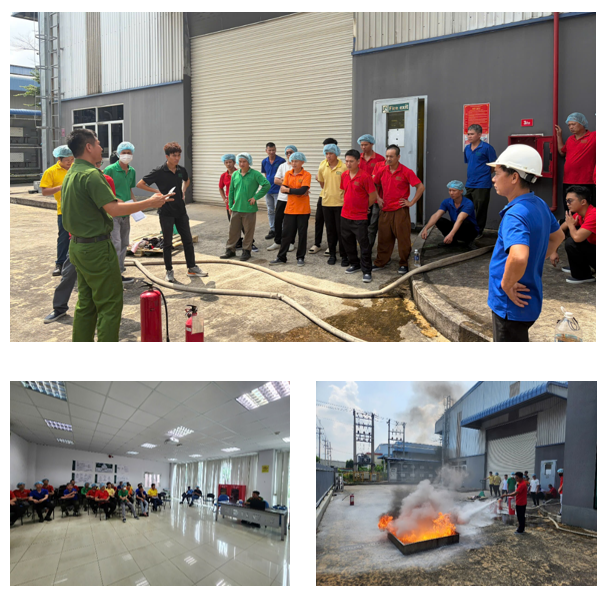
3. What are the key indicators you use to track safety performance, and how do they help drive continuous improvement?
We look at both incident results and proactive safety indicators.
Medical Case Rate and incident trends help us understand where injuries are happening and how our overall safety performance is developing. But these indicators mainly tell us what has already happened.
That is why we also look at things like safety audit findings, corrective actions, behavioral observations, 1st cases, machine guarding assessments and recurring risks identified across our sites.
Our global Safety Audit is a good example. We do not only look at the number of findings. We also look at where they come from, for example machine guarding, electrical safety, emergency preparedness or walking and working surfaces.
This helps us understand where we need to focus more attention and where we may have similar risks across different sites.
For me, the most useful part of the data is not the number itself, but what we do with it afterwards.
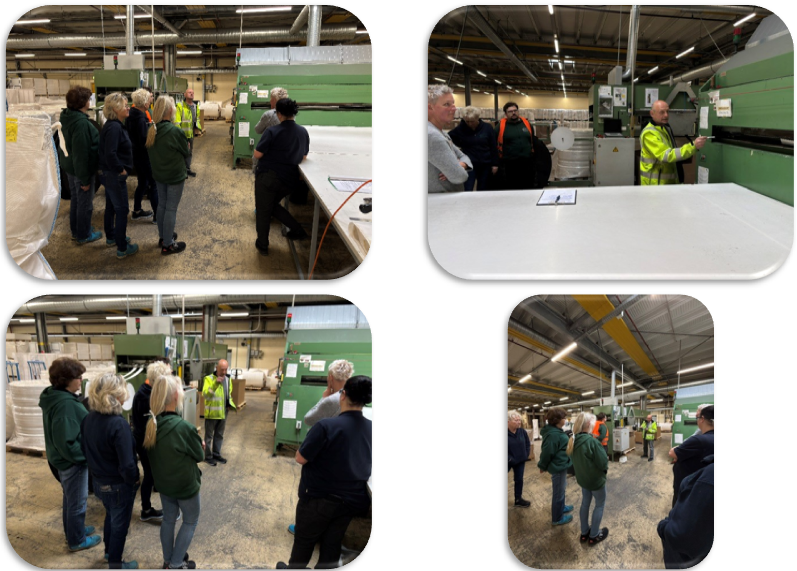
4. If every FPS colleague remembered one safety message from your experience, what would you want it to be?
“Just because we have done something the same way for years doesn’t mean it is safe.”
A lot of incidents happen during normal, familiar tasks.
Sometimes it only takes a few seconds to look again at the task, the machine or the area around you. If something does not look right or does not feel safe, stop and speak up.
That small action can prevent a serious incident.

 About FPS
  Recycling Hub


